Balayage Hair Coloring

Balayage Hair Coloring

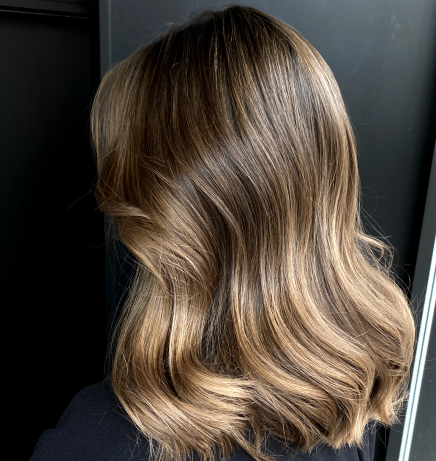
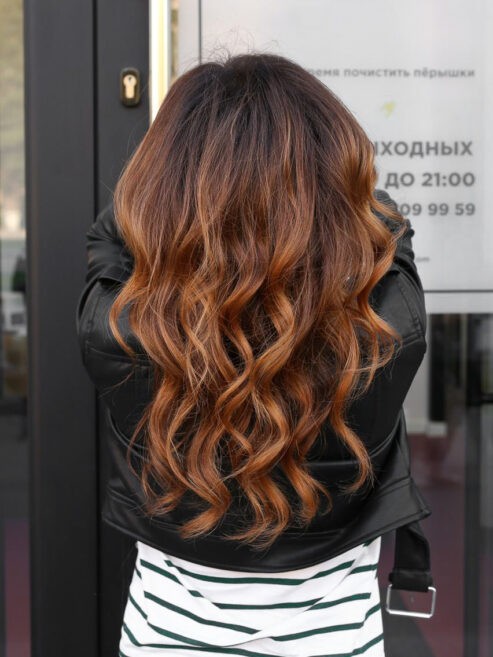
Balayage is one of the most popular hair coloring techniques that allows you to refresh your look without a dramatic color change. Thanks to the soft blending of shades, balayage hair looks more voluminous, natural, and visually lightweight. That is why balayage coloring remains relevant for both light and dark hair. At the PIED-DE-POULE beauty salon network, the balayage technique is selected individually — taking into account the base hair color, hair length, hair texture, and the desired result. The stylist creates a harmonious transition of shades that looks modern, elegant, and does not require frequent touch-ups.

Natural Color Transition

Soft blending of shades without harsh lines.

Visual Volume

Hair looks fuller, livelier, and more textured.

Less Noticeable Regrowth

Balayage keeps a neat look longer without frequent touch-ups.

Personalized Result

The technique is adapted to different hair lengths and shades.

What Is Balayage Hair Coloring?

Features of the Balayage Technique

Balayage is a hair coloring technique where color is applied in a way that creates a soft and natural transition between shades. Most often, it involves delicate lightening of the lengths and ends with a smooth blend from darker roots to lighter accents.

Balayage hair coloring does not follow a strict template. The number of shades, level of lightening, and application pattern are selected individually depending on the base hair color, desired effect, and personal features.

After lightening, the strands are usually toned to make the result look more harmonious and the color deeper and more refined. Toning helps create softer and more natural transitions.

Who Is Balayage Hair Suitable For?

Balayage is ideal for those who want to refresh their look without full hair coloring or a dramatic color change. The technique looks beautiful on both light and dark hair and can easily be adapted for different lengths.

Balayage hair coloring is especially suitable for:

  • hair lacking visual volume;
  • those who want a natural lightening effect;
  • clients who prefer lower-maintenance coloring;
  • dark hair where more depth and contrast are desired;
  • blonde or light brown hair for softer highlights.

Balayage hair looks especially beautiful in motion and on wavy hairstyles because the soft color transitions become more noticeable and dimensional.

Balayage on Dark and Light Hair

Balayage coloring on dark hair creates expressive contrast and visual depth without full bleaching. That is why the technique is especially popular among brunettes and brown-haired women who want subtle light accents.

On blonde or light brown hair, balayage looks softer and more delicate. In this case, the technique helps make the color more multidimensional and natural.

If the hair is very dark and the desired result requires strong lightening, the stylist may recommend gradual lightening or preliminary bleaching. Before the procedure, the hair condition is always assessed to select the safest coloring option.

Read More

How the Balayage Procedure Works

01
Consultation

The stylist evaluates the hair condition, base color, previous coloring history, and the desired result. After that, a balayage coloring plan and shade palette are selected.

02
Hair Preparation

Before the procedure, the hair is divided into sections and prepared for the application of the lightening formula. If necessary, additional protection for the hair lengths is used.

03
Balayage Application

The lightening formula is applied to selected strands using a soft blending technique. This creates a natural-looking result without harsh lines.

04
Hair Toning

After lightening, the strands are toned to harmonize the color and achieve a polished final result. Toning helps make the shade deeper and more natural.

05
Care and Styling

After the coloring process, the hair receives moisturizing and softening care. The stylist also styles the hair to demonstrate the final balayage result.

06
Aftercare Recommendations

The client receives recommendations for at-home care for colored hair. To maintain the shade and hair quality, products for colored hair, moisturizing care, and heat protection are recommended.

Time to preen my feathers

Book an appointment

Benefits of Balayage Coloring

  • Natural Shade Transition

    Balayage creates a soft color blend without harsh transitions between shades. This makes the hair look natural, light, and more multidimensional.

  • Visual Volume and Depth

    Balayage hair coloring adds texture, shine, and the effect of fuller hair. Light accents make the hairstyle look more vibrant and expressive even without complex styling.

  • Less Noticeable Regrowth

    Thanks to the smooth transition between the roots and the lengths, regrowth looks neater and more natural. That is why balayage does not require frequent touch-ups.

  • Personalized Effect for Different Hair Types

    The balayage technique can be adapted for dark, light brown, or blonde hair, as well as different hair lengths. This allows for both a soft natural result and a more contrasted effect depending on the desired look.

FAQ

  • What is balayage?

    Balayage is a hair coloring technique with a soft color transition that creates a natural blend of shades and the effect of lightly sun-kissed strands.

  • How is balayage different from full hair coloring?

    Unlike classic full coloring, balayage does not completely change the hair color but instead creates light accents and a multidimensional effect.

  • Who is balayage suitable for?

    Balayage works well for different hair lengths and shades. It is especially popular among those who want to refresh their look without a dramatic color change.

  • How often does balayage need maintenance?

    Thanks to the smooth color transition, the result remains neat even as the hair grows out. On average, toning or refreshing may be needed every few months depending on the technique and home care routine.

  • Is balayage suitable for dark hair?

    Yes, balayage on dark hair helps create expressive contrast, depth, and natural-looking light accents without full bleaching.

  • How should I care for my hair after balayage?

    After coloring, it is recommended to use products for colored hair, moisturizing masks, and heat protection. This helps maintain the shade, shine, and overall hair quality after the procedure.

  • Language:
  • More:
    Choose a location:
    Book Now